
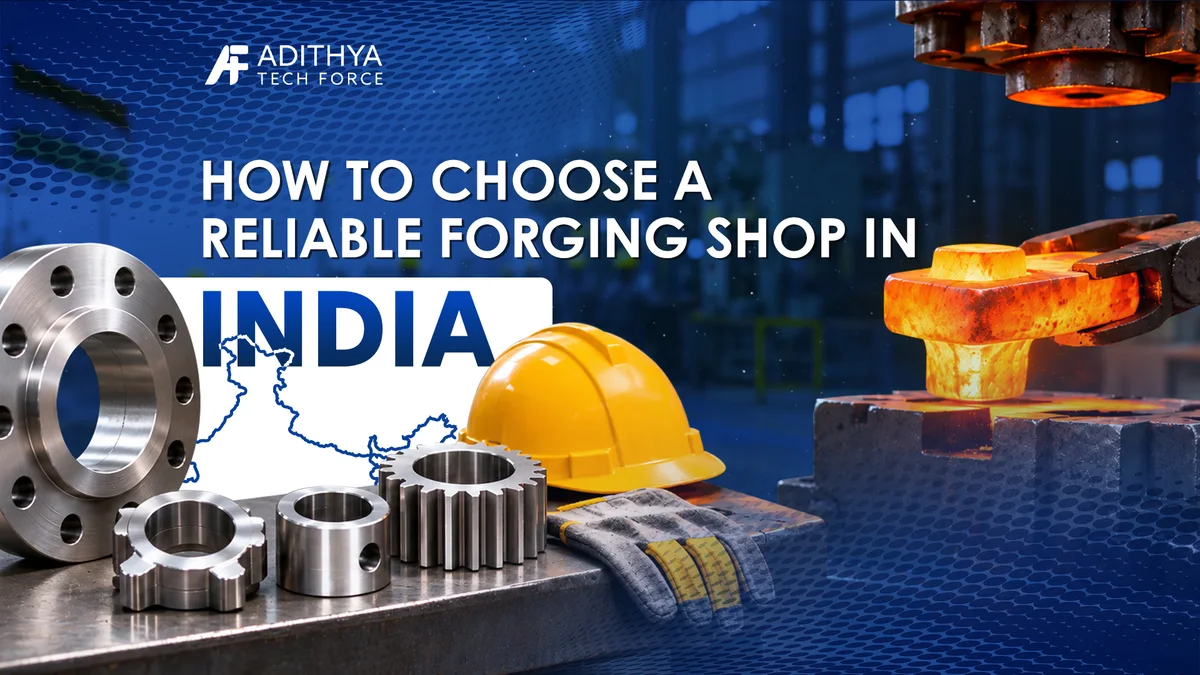
- A reliable forging shop India that buyers can trust shows its material traceability, heat treatment, and test reports without being chased.
- Certificates are important, but so is process control. Inquire into what is done in-house vs. what is sent out.
- Check four things: traceability, process control, heat treatment and testing, and machining.
- Visit the plant if you can. Red flags show up fast.
- Also ask whether forging is the right process at all. Complex shapes are often better cast.
What Makes a Forging Shop India Buyers Can Rely On?
A batch of forged flanges arrives on schedule, and the paperwork looks tidy. Then your inspector pulls a sample, the hardness is off, and nobody at the shop can say which heat the bar came from. The part was forged. The proof was missing.
Buyers choose forging for one main reason: superior strength and fatigue life. A short list of things before the initial order saves a long argument afterwards.
CHECK OUR RANGE – Steel Casting Services | Precision CNC Machining
Traceability Comes First
All of the forgings must relate to the heat of the steel that they were formed from. Request a material test certificate and make sure that the heat number is stamped on the part. Where the bar came from is the first thing a shop should know, and if not, nothing that follows can be proven.
Process Control, Not Just Certificates
A certificate gives you some information about a shop that has a system. Records inform you that the system is running. Request inspection reports for two different lots and watch out if the numbers are the same. In India, some carbon steel forgings are also marked by BIS; therefore, verify if your part is covered.
Heat Treatment and Testing
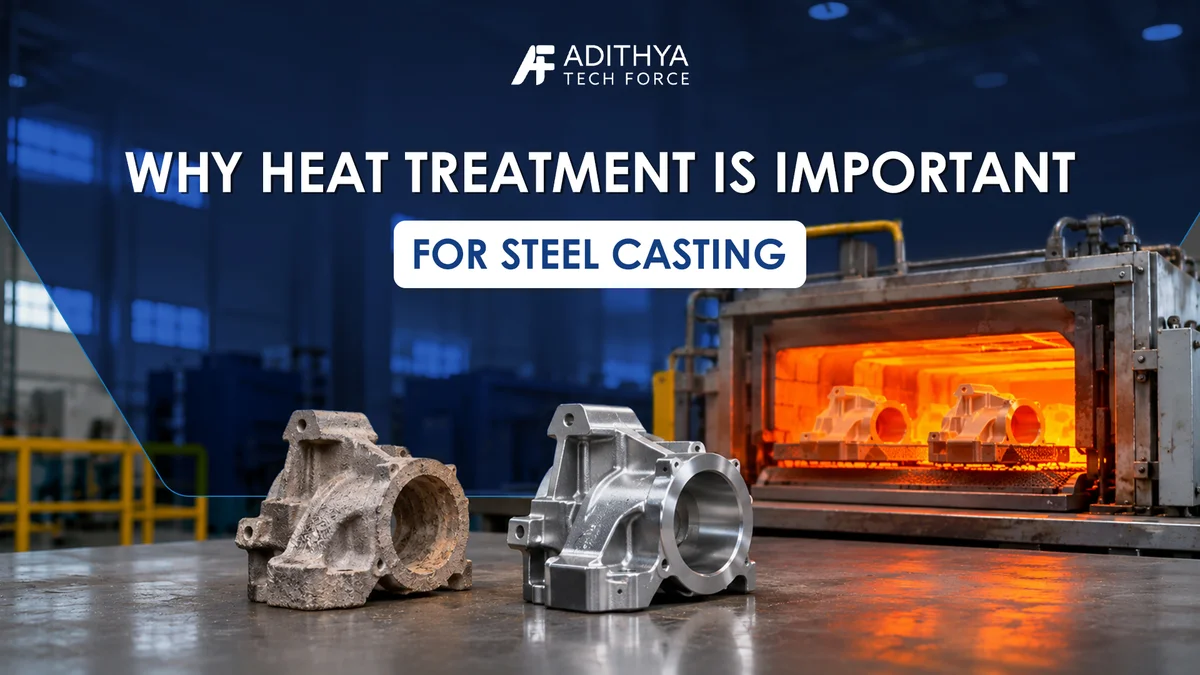
Forging is followed by heat treatment, which determines the final strength. Inquire about in-house or outside production and auditing by outside parties. Next, check the test reports included with each lot: tensile, hardness, ultrasonic, or magnetic particle testing, if required by the specification.
ALSO CHECK – Why Heat Treatment Is Important for Steel Casting?
Machining After Forging
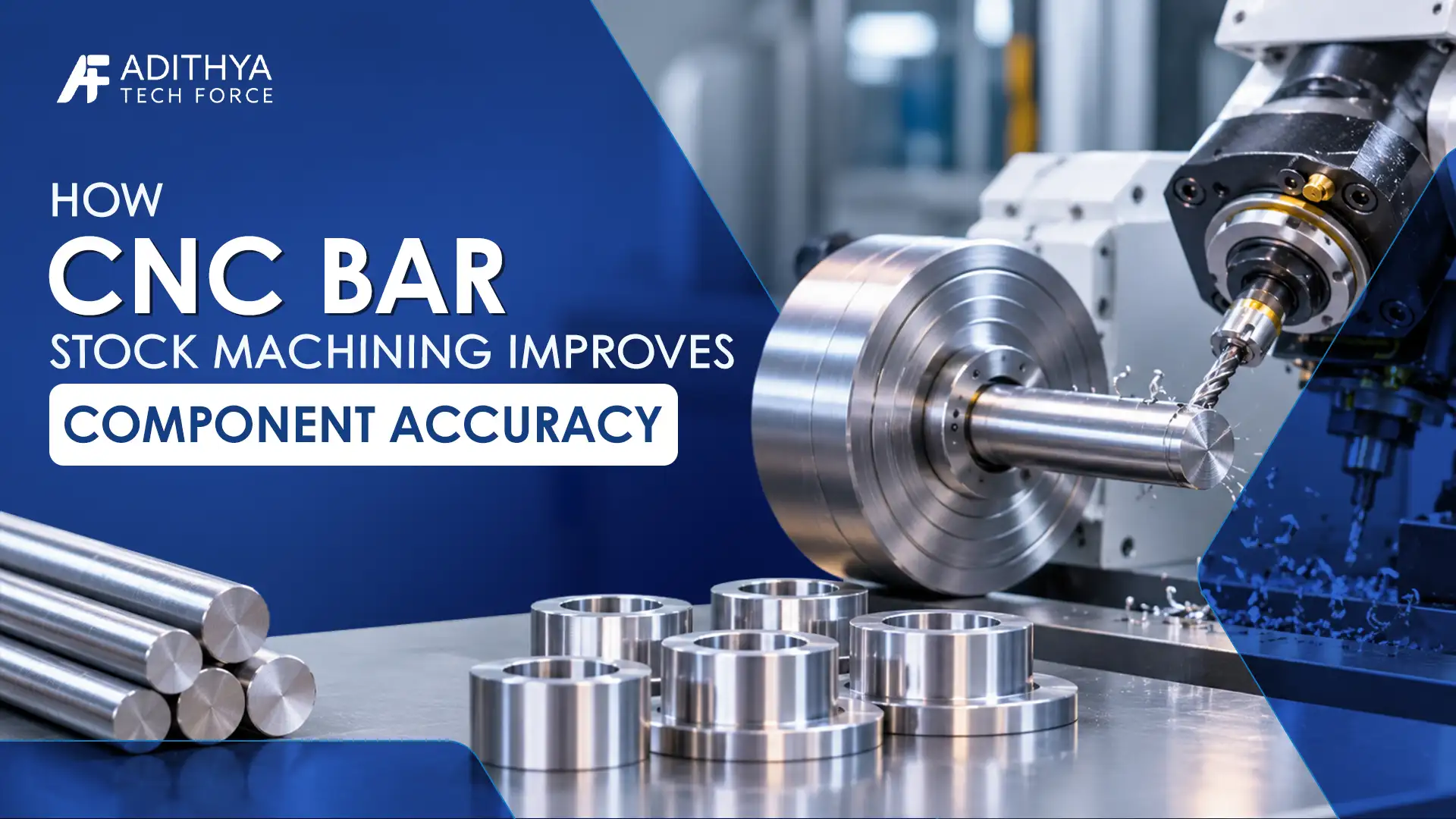
The majority of forgings require some machining to fit. Good shops leave enough machining allowance to clean up the surface, without leaving excess material that drives up your cutting costs. Inquire about the amount of machining allowance they do leave and if they can do CNC finishing in-house.
Walk the Shop Floor
Visit if you can. Signs of trouble can arise quickly: Restrained access, obscure responses to questions regarding subcontractors, tooling drawings that are never provided. If they’re proud of their process, then you can see it at a shop.
When Casting Is the Better Call
Forging suits parts that carry fatigue or impact loads. Casting suits shapes that forging struggles with, like internal passages, thin walls, and large, complex sections, and its tooling usually costs less. This decision belongs at the design stage, because switching after tooling is paid for is expensive.
Adithya Tech Force works on the casting side. Our guides on investment casting vs sand casting and choosing a steel casting foundry show how that choice plays out.
Five Questions to Ask Before You Order
When you compare forging shop India suppliers, take these into account:
- Can you trace this forging back to the heat of steel it came from?
- Is heat treatment done in-house or sent out?
- Which tests come with every lot?
- Can I see inspection records for two different batches?
- How much machining allowance do you leave?
Final Thoughts
A certificate on the wall tells you what a shop promised. A record in the folder tells you what it did.
A reliable forging shop India that buyers can count on will answer the five questions above without fuss, and it will be honest if casting suits your part better.
Adithya Tech Force supplies steel and aluminium castings and precision CNC machined parts from Coimbatore. Send us your drawing, and we will review it with you.
Frequently Asked Questions (FAQs)
- How do I know if my part should be forged or cast?
Forging suits parts under fatigue, impact, or safety-critical loads. Casting suits complex shapes, internal passages, and large sections. Decide at the design stage, and get quotes for both routes. - Which certifications should a forging shop have?
The typical first step is ISO 9001:2015, and industry ones such as IATF 16949 (automotive) or AS9100 (aerospace) when applicable. Consider them a first filter. After that, request inspection records and test results to witness the system in action. - Is a certified forging shop always reliable?
Not automatically. A certificate indicates that there is a system. It is based on the inspection data from various batches and closed corrective actions.